Cockfighting law in the Philippines cannot be reduced to a claim that sabong is either universally permitted or universally prohibited. The texts distinguish physical cockpits, local regulatory powers and suspended electronic operations. This guide explains the scope of the principal documents; it does not determine whether a particular venue or proposed activity is authorised. 123
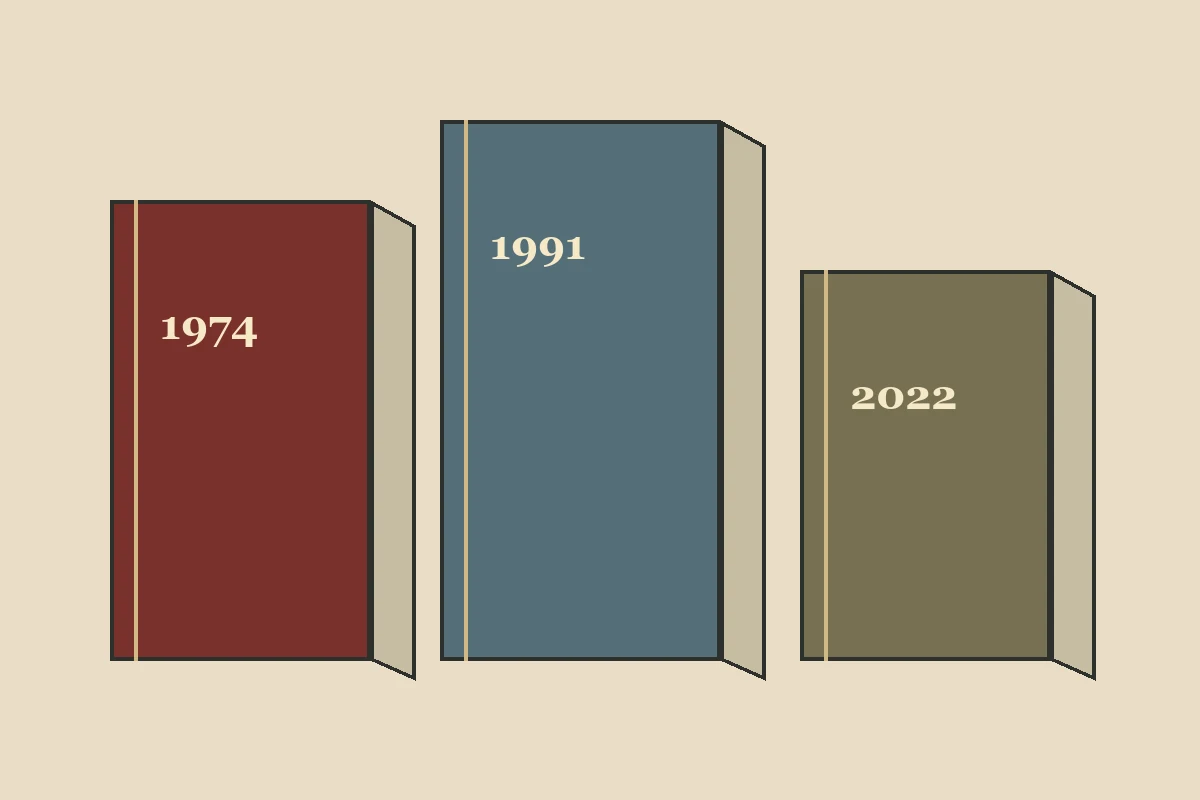
- Three instruments
Begin with what each instrument actually regulates
Presidential Decree No. 449 identifies its subject as the establishment, operation, maintenance and ownership of cockpits. Its title, the Cockfighting Law of 1974, is a useful starting point, but the title alone is not the legal analysis. The operative sections describe the activities, institutions and conditions addressed by that instrument. 1
Republic Act No. 7160, the Local Government Code of 1991, adds another essential layer. Its provisions on municipal and city legislative powers address authorising and licensing cockpits and regulating cockfighting and commercial breeding. A reader who stops at the older decree can miss this later allocation of local powers. 2
Executive Order No. 9, issued in December 2022, concerns continued suspension of electronic sabong operations. It is not simply a renamed version of the 1974 law. Keeping each document's date, subject and function separate is the first safeguard against a misleading summary. Our bound-volume illustration represents those distinct legal instruments without imitating a government seal or displaying a fabricated licence. 3
- Local powers
Local authority is more specific than a national logo
The Local Government Code expressly gives the municipal legislative body a role in authorising and licensing the establishment, operation and maintenance of cockpits, subject to its stated proviso about existing rights. The corresponding city provision addresses the same subject. These are identifiable legal powers, not a generic assurance that any activity associated with a town is allowed. 2

The civic building locates the discussion of local authority while making no claim that a particular licence was issued. Original illustration. For a concrete reading example, imagine a venue advertisement displaying a municipality's name. That name does not tell the reader which body acted, which instrument was issued, what place it covers or whether it remains effective. The example is invented; it illustrates the difference between a place label and a legal record. No real venue is being assessed here.
The municipal-hall scene accompanying this section shows the institutional setting of local decision-making. It is a generic building illustration, not the premises of a named authority and not evidence of endorsement. The relevant information remains the applicable local instrument and national law. A building, a crest or an official-looking colour scheme cannot supply missing terms.
- Place and occasion
Physical conditions and occasions remain separate questions
The 1974 decree addresses where cockpits may be situated and the occasions on which cockfights may be held. It contains zoning language, conditions associated with Sundays, holidays and fiestas, and additional provisions for certain other occasions. These details demonstrate why a short statement about tradition is insufficient to explain a specific activity's position. 1
This article does not convert those older provisions into a current national calendar or a step-by-step permit guide. The relationship between legislation, later enactments, applicable decisions and local measures must be considered before reaching a conclusion about a particular place. Historical institutional names and monetary figures in an old statute also require care; copying them into a modern checklist can suggest a currency the article has not established.
The practical distinction is between describing a provision and certifying compliance. A source can establish that the decree contains a location rule. It cannot establish that a particular building satisfies it. Similarly, a dated announcement may establish that an event was advertised; it does not by itself prove the underlying authorisations. These are different claims requiring different records.
- Definition and permission
A statutory definition is not an operating permission
Section 4 of the 1974 decree groups several locally used terms within its definition of cockfighting. This drafting choice establishes the reach of the term inside that law. It does not mean that an activity becomes authorised simply because an organiser uses one of those names. The definition identifies what is being discussed; the operative conditions address when and where it may occur. 1
The decree also distinguishes a cockpit's establishment from the conduct of an event. Its location provisions concern land use and nearby buildings, while its occasion provisions concern the timing and circumstances of cockfights. These are independent dimensions. A place could be described by a promotional name without the reader learning anything about its site conditions, and an advertised date would say nothing by itself about the location's status. 1
The later Local Government Code is important precisely because authority has an institutional setting. A municipal legislative body's powers are stated in the part of the Code dealing with that body; the city provision appears in its corresponding part. Reading the section in that context helps distinguish a council's legal role from the mere appearance of an individual official in an advertisement. It also preserves the statutory proviso protecting existing rights, rather than treating the power as an unlimited discretion. 2
None of these distinctions requires publishing old fee amounts or a simplified list of prohibited dates as current personal advice. The more useful explanation is how a legal question separates into subject, place, authority and conditions. That framework makes the sources intelligible while leaving an individual compliance determination to the actual instruments and circumstances involved.
- Electronic operations
EO 9 expressly covers electronic operations
Executive Order No. 9 continues suspension of all electronic sabong operations nationwide, including auxiliary operations. Its first section then describes covered activity, rather than leaving the term electronic to a reader's guess. That text is the basis of this page's fixed notice about online sabong. 3

The device and crossed transmission distinguish electronic activity from a physical venue, without depicting an accessible service. Original illustration. One covered category concerns live transmission of cockfights beyond the cockpit, arena or premises where they are held. Another concerns remote or off-cockpit activity involving those live transmissions. The order's scope is not resolved merely by pointing to where a device or platform happens to be located. This is why a physical event and an electronic extension must not be treated as interchangeable legal objects. 3
- Conditional exclusion
The traditional-event exception has a condition
The order states that traditional cockfights authorised or licensed under existing laws are outside the foregoing suspension. The authorisation or licensing condition is part of the sentence's meaning. Removing it changes a limited exclusion into a much broader claim that the text does not make. 3
An exclusion from EO 9's suspension also does not answer every other legal question. It does not identify a venue, supply a local instrument, resolve a zoning issue or establish that an advertised occasion complies with the applicable requirements. The order and the local legal record therefore perform different jobs.
Consider two hypothetical descriptions: an old event poster and an official legal instrument naming a location and scope. The poster may be useful as historical evidence of publicity. The instrument is the kind of record that can address authority, although its validity and application still require careful reading. Combining the two categories into one reassuring phrase would hide the distinction rather than clarify it.
- Implementation duties
Enforcement duties are not a licence issued to a reader
EO 9 directs coordination among PAGCOR, local government units and other relevant parties, with assistance from the Department of the Interior and Local Government and the Philippine National Police. It also provides for reporting to the President through the Executive Secretary. These provisions describe governmental implementation responsibilities. 3

The entrance makes the difference between a physical place and an active authorised event visible; no real venue is assessed. Original illustration. They should not be recast as a promise that a logo on a private site certifies every activity offered there. Nor does the presence of a gambling-related regulator in a document mean that all games and venues share one licensing route. The instrument's own scope and the nature of the activity matter more than a familiar institutional name.
The conclusion remains specific: identify the activity, identify the instrument governing that activity, and retain the conditions in its actual wording. This legal-context article supplies no venue approval, no operational instructions and no prediction about an individual dispute. Its purpose is to make the boundaries between the documents understandable, while preserving the nationwide electronic-sabong suspension stated in EO 9.